This post is also in Marathi: मराठीत वाचा.
On 31 October, the internet is a normal place. On 1 November, half of it takes a vow.
The group chat sets the rules. Someone starts a day counter. Somebody else announces a “digital detox” and deletes three dating apps before lunch. By the second week, the gym is fuller than usual and everyone suddenly has a lot to say about focus.
Welcome to No Nut November.
What it actually is
No Nut November (NNN, if you want to sound like a veteran) is a simple challenge: for the 30 days of November, you do not, let us say, finish. No release of any kind. Not alone, not with anyone else.
That is it. There is no app, no certificate and no prize. There is only the honour system, a group chat that will not let you forget it, and 30 very long days.

Where it came from
The name is young. The idea is very old.
The name: 2011, the internet
The first known use of “No Nut November” is an Urban Dictionary entry from 3 November 2011. It started as a joke, and for a few years it stayed a small joke.
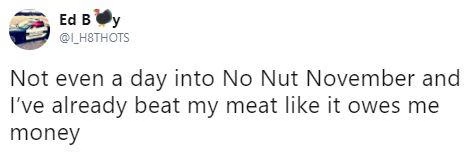
Then, on 1 November 2017, one tweet (“Not even a day into No Nut November…”) went around the internet, and the joke became a yearly event. Every November since, the memes come back like the first cold morning: on time, everywhere, and impossible to ignore.
The cousin: NoFap, also 2011
In June 2011, a Reddit forum called NoFap started. Its founder had read a thread about a study that said a week of abstinence raised testosterone (more about that study below). The forum grew fast. NoFap is more serious and more year-round; NNN is its loud, meme-loving cousin that only visits in November.
Much older: discipline as a practice
The idea that self-control gives you strength is thousands of years old, and it is not a joke in these traditions.
- Brahmacharya. In the Vedic tradition, brahmacharya is the first stage of life: the student years. The student lived a celibate, disciplined life to stay focused on learning. The word is about much more than celibacy. It means conduct that keeps you on the path.
- Taoist practice. In Chinese Taoist thought, jing is a vital essence in the body. Some Taoist teachers advised men to keep it, and to release it less often, to protect their health and long life.
Two very different cultures, one shared idea: what you hold back, you keep.

The strange chapter: crackers and corn flakes
Now the part nobody believes the first time.
In the 1830s, an American preacher and diet reformer called Sylvester Graham gave lectures on health. His theory: spicy, rich food made people restless and full of desire. His cure was a plain, bland diet. One result was a plain, bland, unsweetened biscuit made from coarse wheat flour. You know it today as the graham cracker. (Today’s sweet version would horrify him.)
Forty years later, Dr John Harvey Kellogg took the idea further. In 1877 he published Plain Facts for Old and Young, a book that listed 39 “symptoms” of self-pleasure and recommended, again, a plain diet. In the 1890s, he and his brother Will developed flaked cereals. Will turned the corn version into a business: Kellogg’s Corn Flakes.
To be fair to the cereal: most historians say corn flakes were made for digestion, not as a cure for desire. But the man behind them did think a bland breakfast could calm a young man down.
So the next time someone in the group chat says they are on day 12, send them a bowl of corn flakes. They will not get the joke. You will.

The internet makes it a sport
Here is what November looks like now, at least from my phone:
- Group chat bets. Rules are made, lawyers are consulted (not really), and the money is on the table. Nobody trusts anybody.
- Day-count posts. “Day 1: easy.” “Day 9: I have the focus of a chess grandmaster.” “Day 17: please talk to me about anything else.”
- The dating-app break. This is my favourite. The joke every year is that Tinder, Hinge and Grindr lose half their users on 1 November. People log out, mute the notifications, or delete the apps “for focus”. I have no real numbers for this, and I am not going to invent any. But I have seen enough “see you in December” messages to know the meme is not completely wrong.
- Gym and focus talk. Suddenly everyone is “locking in”. Personal records, early mornings, cold showers and long speeches about energy.

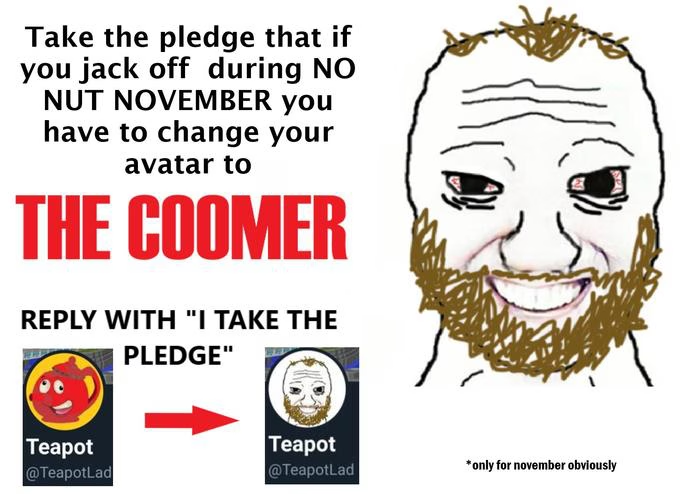
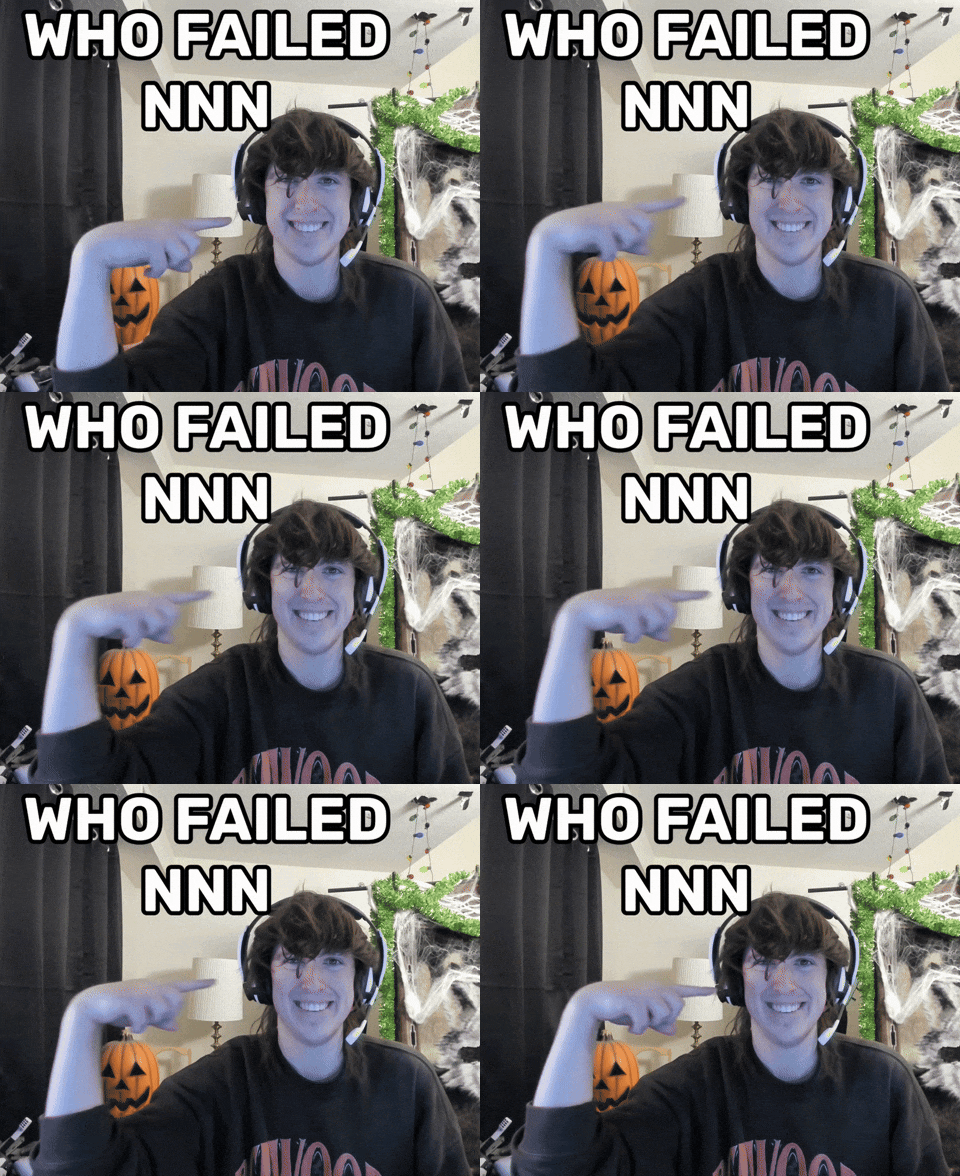

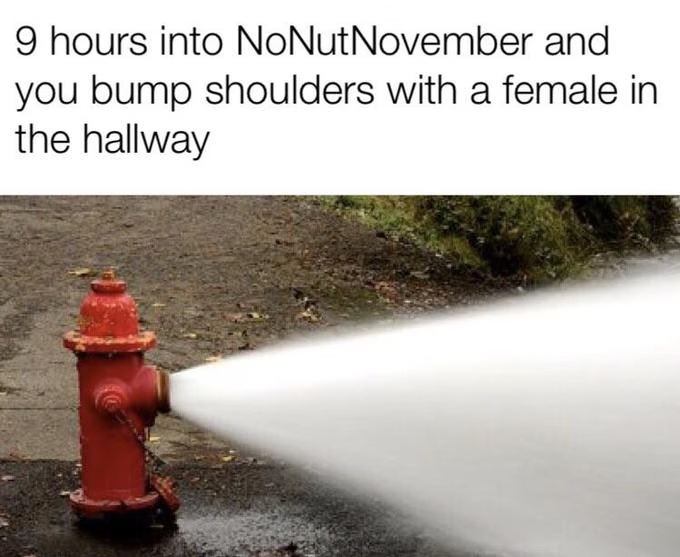
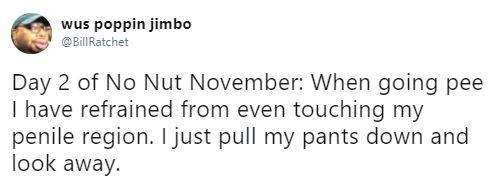

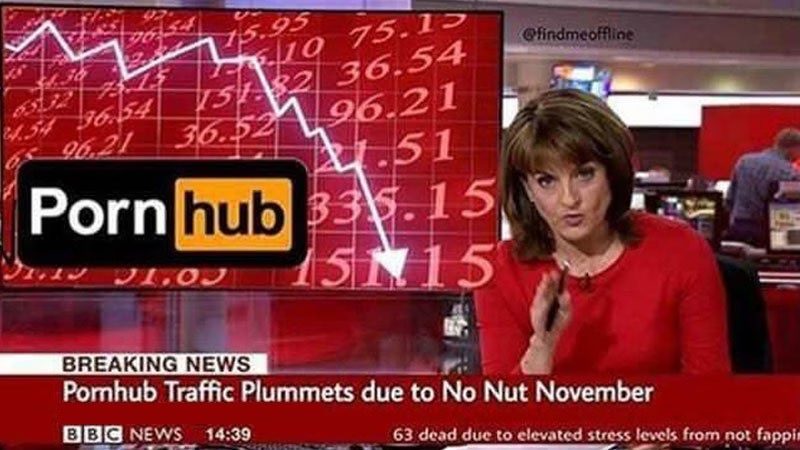
There is also a counter-challenge for people who think all of this is silly. It is called Nonstop Nut November, and I will let you look up the rules yourself.
The other November challenge: Movember
NNN is not the only November challenge for men. In 2003, in a bar in Melbourne, a group of friends joked about bringing the moustache back. Thirty men grew one that year. From 2004, they used it to raise money for prostate cancer and men’s health, and today Movember is a global charity.
Honestly, if you want a November challenge with a clear benefit, grow a moustache and donate. You can do both. Nobody said you have to choose.

What science says
This is where the memes and the facts separate.
The famous testosterone study. The study that started NoFap was published in 2003 by Jiang and colleagues in China. In 28 men, testosterone peaked on day 7 of abstinence, at about 145 percent of normal. After the peak, it went back to normal, even when the abstinence continued. It was a small study, other researchers did not repeat the result, and the journal retracted the paper in 2021. So the “day 7 superpower” is, at best, one week of one small study.

What doctors say. Urologists who have commented on NNN agree on one thing: there is no convincing evidence that a month of abstinence changes testosterone, or gives you the benefits the memes promise. There is also no strong evidence that it harms you. For most healthy people, your body does not care much either way.
The plot twist. A large Harvard study that followed about 32,000 men for many years found that men who ejaculated more often had a lower risk of prostate cancer. The study shows a link, not a cause. But it is funny that the strongest health data points in the opposite direction to the challenge.

My honest summary: NNN will not give you superpowers. It will not hurt you either. What it can give you is the thing the old traditions talked about: practice in saying no to yourself.
My own take
Yes, I have done it. I finished it two years ago, in 2024, and this year I am going for round two.
I went in thinking it was a joke, like most people. By the second week, I did not think so. It is not hard because of the body. It is hard because of the habit: the phone at midnight, the scroll, the “just this once”. NNN does not really test willpower for one thing. It tests whether you notice your own patterns.
For me it was real discipline, and I mean that without any mystical claims. I did not get superpowers. I got 30 days of proof that I can make a rule for myself and keep it, even when nobody is checking and the group chat is betting against me.
And that, more than any testosterone number, is why I think it is worth a try. Not for the memes. For the 30 days of keeping a promise to yourself.
Before you start on 1 November
- Treat it as a game, not a test of your worth. If you lose on day 6, nothing happens. Laugh, and try again next year.
- Pick a reason. Focus, sleep, fewer midnight scrolls: anything works better than “the internet said so”.
- Use the time. A November with more gym, more sleep or more of a side project is a win either way.
- Grow a moustache. Donate to Movember. Feel useful.
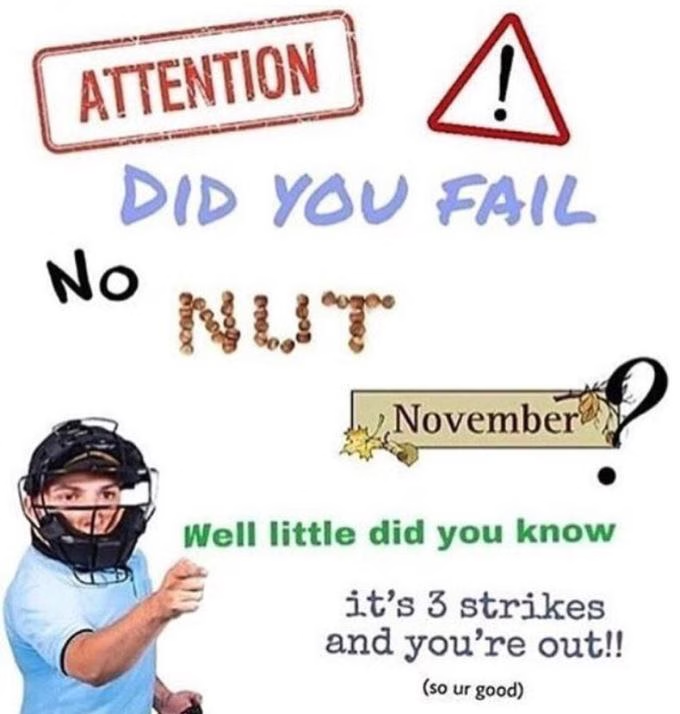
See you in December. I hope your streak survives, and your group chat does not.
Sources
- Know Your Meme: No Nut November
- Wikipedia: No Nut November
- Wikipedia: NoFap
- Wikipedia: Brahmacharya
- Wikipedia: Taoist practices and jing
- Wikipedia: Sylvester Graham
- Mental Floss: corn flakes and Plain Facts for Old and Young
- The Daily Meal: the origins of corn flakes
- Wikipedia: Movember
- Jiang et al., 2003: the testosterone study (retracted in 2021)
- Snopes: does abstinence raise testosterone?
- Inverse: what urologists say about No Nut November
- Rider et al., 2016, European Urology: ejaculation frequency and prostate cancer